

Editing
command-palette.tsx›Handoff
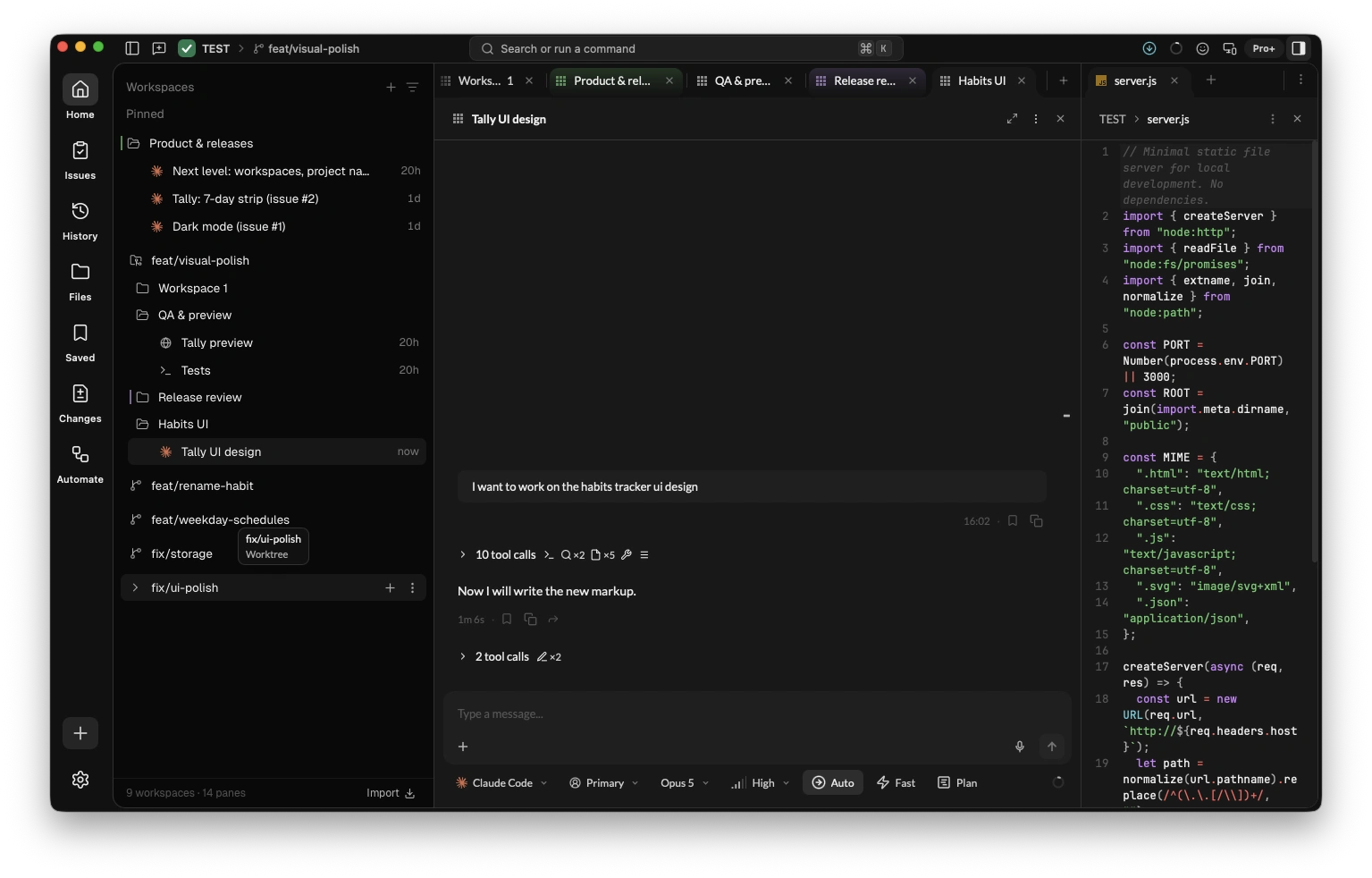
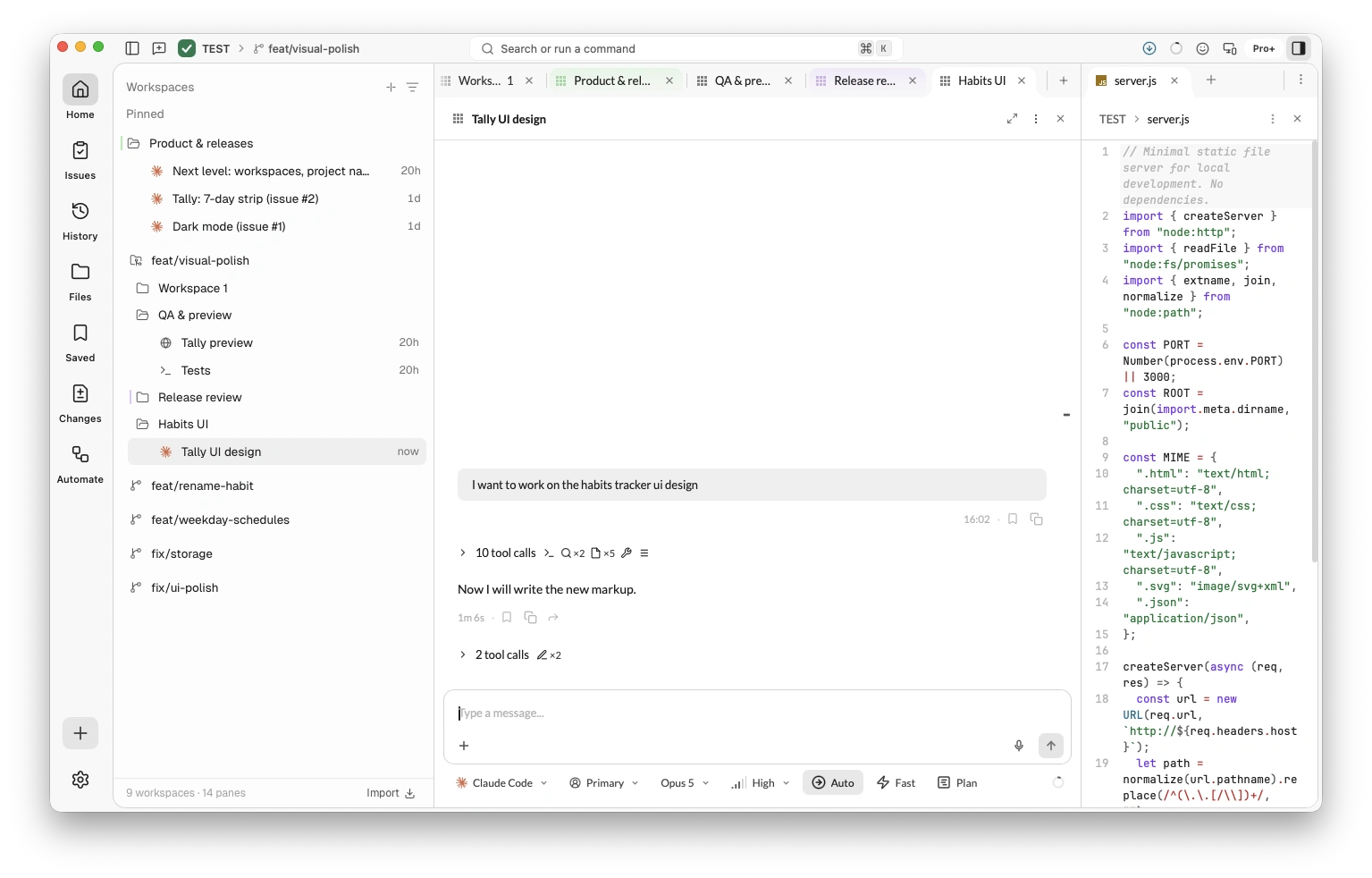
The independent workspace where people and agents work together. Work beside them, run them in parallel, or let them work in the background. Step in whenever you want.
macOS, Windows & LinuxFirst month free
Works with the agents you already use, on your own accounts
The agents themselves are users of the workspace. They shape it around each task, coordinate through it, and guide you inside it.
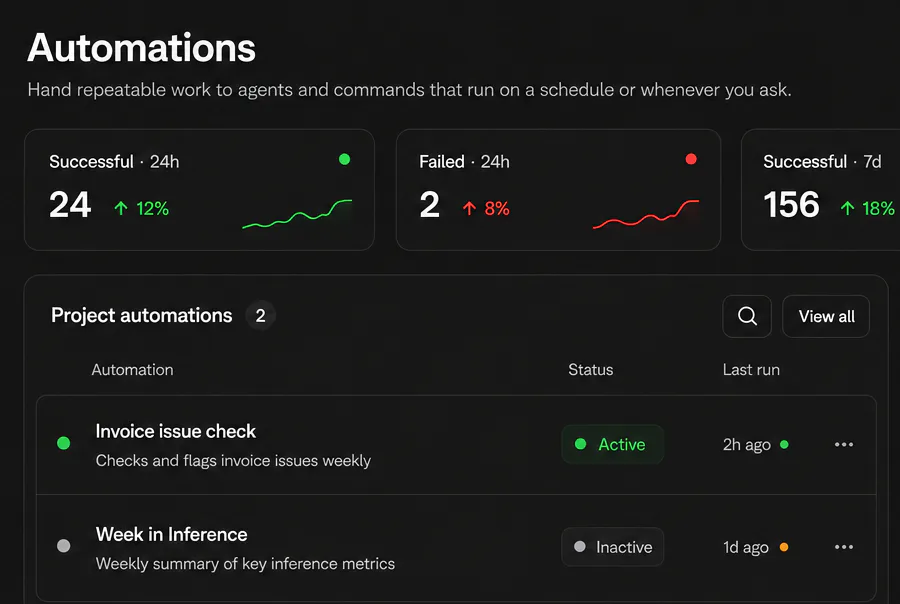
command-palette.tsxFrom the issue to the shipped change, you review each step the agent takes. Issues, diffs, terminals, and automations sit in the same workspace, and every change links back to its conversation.
Your provider subscriptions run directly inside hob, and we don't sell inference or resell tokens.
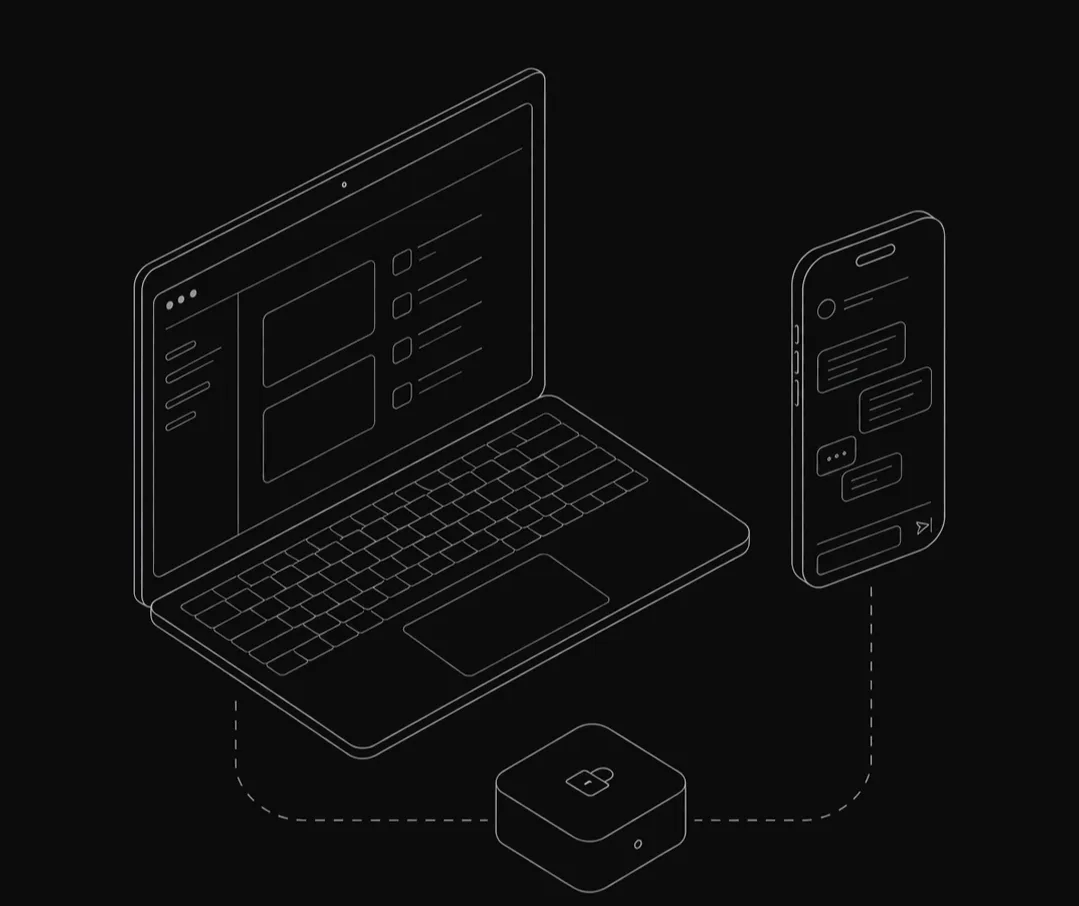
Your workspace runs on your machine, with end-to-end encryption when you access it remotely.
The agent works in view, and the work goes both ways.
“hob is the most useful thing I pay for right now. With how fast agentic coding changes, staying current used to be a pain. Now I can pick up whatever ships this week and my workflow stays organized and predictable.”

Marc Llopart
Analytics Engineer/nansen.ai
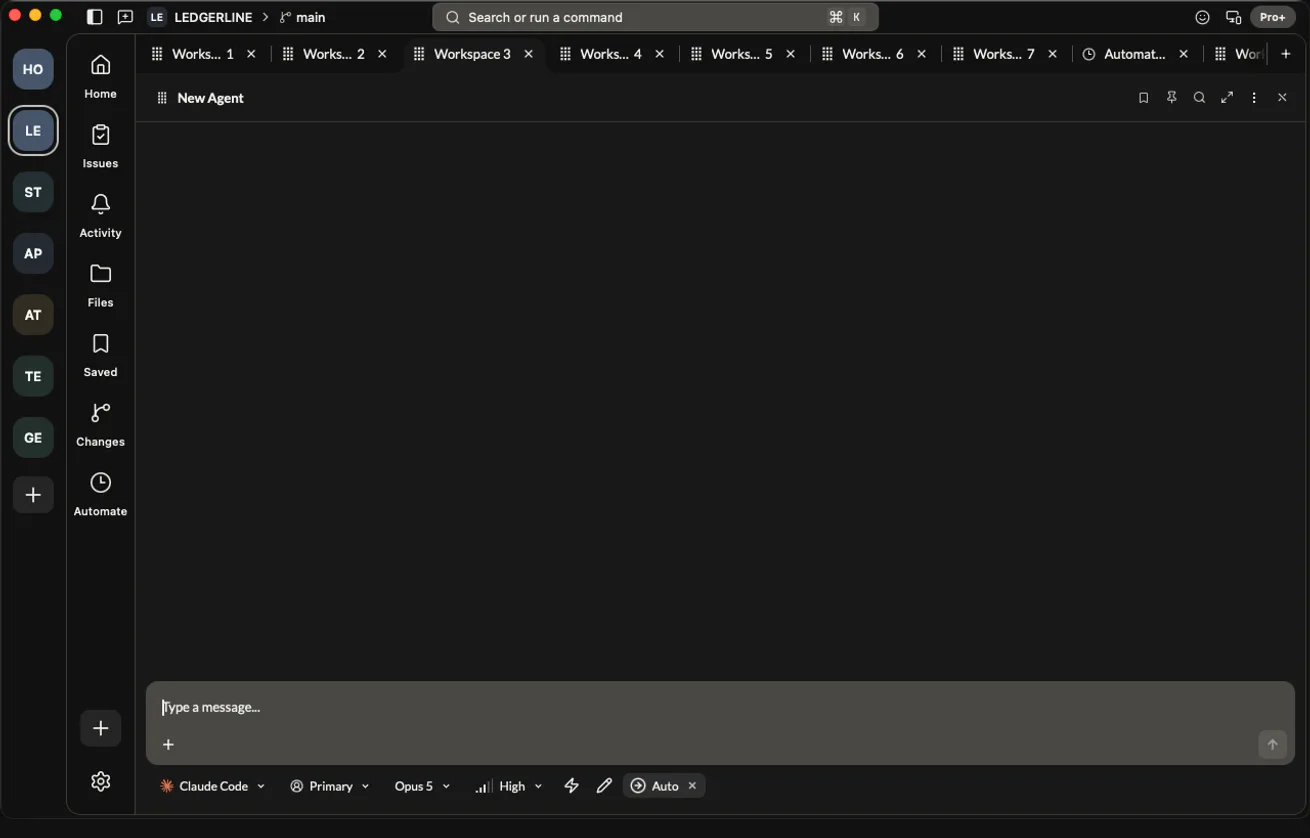
“I used to run 6+ Claude Code instances in my terminal, and coming back to them was a nightmare. Now I can shut my laptop and free up the RAM in my head. Every workspace is right where I left it, ready to resume.”

Adrià Torralba-Agell
Blockchain Security Researcher/openzeppelin.com
No. hob is not a coding agent. It is the workspace you share with your agents. Claude Code, Codex, OpenCode, and Grok Build run inside it on your own accounts. The agent works in panes you can see: it opens web pages, documents, and code, points at what it found, and hands you the decisions. You can take any pane back whenever you want.
No. An orchestrator sends an agent away and returns a result. hob does that too: run agents in parallel, leave them working in the background, queue and schedule their messages, and run repeatable work as scheduled automations. What hob adds is the agent working in view beside you, with the work going both ways. Agents point at details, annotate them, and walk you through a result. You mark up pages and files for them, and take over when you want. Agents also message each other and hand off part of a task. You choose the way of working for each task, and hob keeps the record either way.
It means agents use hob the way you do. They open panes, files, web pages, and diffs, arrange the workspace around the task, hand part of the job to a second agent, file issues, and open pull requests. On a web page, an agent clicks and types while you watch, and hands you the step only you should do, such as a sign-in. You direct the work and make the decisions, instead of clicking between tools on the agents’ behalf.
The agent works where you can see it, and hob keeps the record. Every agent gets an interface into hob itself: panes, workspaces, web pages, files, diffs, issues, pull requests, commits. When an agent commits through it, the commit is linked to the exact turn that produced it, automatically. The whole workspace state saves continuously, and it can't be switched off. One process runs everything on your machine, and the desktop window, a browser, your phone, and a headless server are all views of that same session.
hob also stays out of the inference path. The agent CLIs talk to their providers directly, as they do without it. hob sells the workspace, not tokens, so it earns nothing more when you spend more.
Providers build workspaces for their own agents. hob is independent: Claude Code, Codex, OpenCode, and Grok Build work side by side in it, on your machine or your VM, with the record in your own database. When a different agent suits the next task, you use it in the same workspace, with the context you have built up.
Because the record of your work should outlast any one provider. The best agent and model change every few months, and so do the limits and prices of subscriptions. hob does not sell inference. You can switch the model or account in the pane, or start another backend in a new pane that reads the recorded work. Your history stays in hob.
Because tmux shows you shells, and hob shows you the work. A shell does not know that one of them is an agent waiting on a question, and when you come back tomorrow it has no idea what any of them did. In hob, agents open what they are working on beside you, every agent's state is visible at once, each can have its own copy of the repo, and every commit, issue, and plan links to the conversation that produced it. Months later, you can still trace any change back to the reasoning behind it.
Because hob runs on your machine and is never between you and your data. It works on your local checkout, and the agents inside it are the same CLIs you already run, with the permissions you give them. Conversations and history live in a local database on your disk. hob's own traffic is limited to read-only checks like updates and licensing. Remote access is encrypted end to end before it reaches the relay, which forwards frames it cannot read. hob's servers never hold your code or your sessions.
No. We want you to stay, but we won't keep you by trapping your data. Your conversations, workspaces, and history live in a local database on your disk, and they stay there if you cancel. The door is always open. If you stay, it should be because the work goes better here.
Your subscription runs the agent; hob is where you work with it in view, on web pages, documents, data, and code, not only in a chat or a terminal. You watch it work, take over when you want, and keep the record of what it did. You pay hob a license for the workspace and nothing for tokens. Pro covers the desktop workspace. Remote access, including headless hosting, needs Pro+ or Teams.
Running agents side by side is one part of the work; hob is built for working with them in view, on any kind of work. Agents operate web pages while you watch, point at what they found, and hand you the step that needs your decision. You mark up pages and files for them, and every commit, issue, and run links back to its conversation. If you only need to run agents in parallel, a free tool may be enough.
hob is not for someone who uses one agent in one chat now and then. It is for people who do real work with agents, in engineering or in the office, and want to see what the agent does, decide what happens next, and keep the record.
macOS, Windows & LinuxFirst month free


